
1. Szechenyi Thermal Bath – The Icon of Hungarian Bath Culture
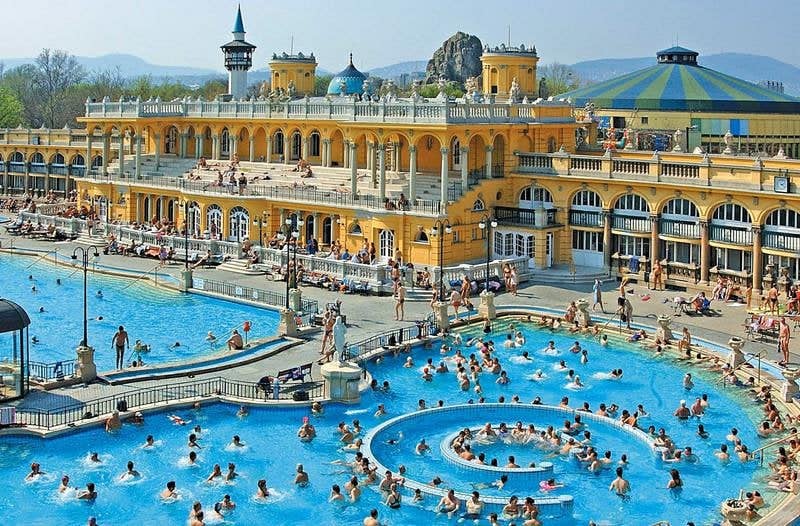
Budapest is often called the „City of Baths” due to the incredibly rich network of thermal springs running beneath it. The most famous among them is the Szechenyi Thermal Bath, located in City Park, which ranks as one of the largest bath complexes in Europe.
Opened in 1913, the Neo-Baroque complex was designed by Gyozo Czigler. The monumental yellow building, with its grand domes, columns, and ornate facade, resembles a royal palace rather than a bathhouse. The complex was expanded multiple times and today features over twenty pools.
The thermal water surfaces from a depth of nearly 1,000 meters at temperatures reaching 74-77 degrees Celsius. Rich in minerals like calcium, magnesium, and hydrogen carbonate, it is primarily used to treat musculoskeletal and joint disorders.
Szechenyi’s outdoor pools, open year-round, are its most famous feature. Winter is especially magical here, as thick steam rises from the warm water, enveloping the historic building. The bath is a staple of Budapest’s social life, where locals and tourists unwind together—and the sight of elderly men playing chess in the water has become an iconic symbol of the city.
- Admission: 15,800 HUF
- Public Transport: Bosnyak ter – Tram 3 to Mexikoi ut – Metro M1 to Szechenyi furdo
2. Downtown Walking Tour – The Synagogue, Deak Square, the Basilica, and the Danube Promenade
Budapest’s city center offers a unique opportunity to explore centuries of religious, cultural, and historical heritage within a short walk. The downtown streets are more than just a row of elegant buildings and shops; they hold the memory of events that shaped Hungarian history.
The tour begins at the Dohany Street Synagogue, the largest synagogue in Europe and the second largest in the world. Built in the 1850s in a Moorish Revival style, its nearly 3,000-seat capacity made it the beating heart of Budapest’s Jewish community. During World War II, the surrounding area was designated as the Pest Ghetto; today, the synagogue’s courtyard serves as a burial ground and memorial site for the victims. Please note: As today is Saturday (the Sabbath), the building can only be viewed from the outside.
A few minutes’ walk from the synagogue lies the Deak Square Lutheran Church, the oldest Lutheran church in Budapest. Designed by Mihaly Pollack in a Classicist style, it holds a prominent place in the history of Hungarian Protestantism.
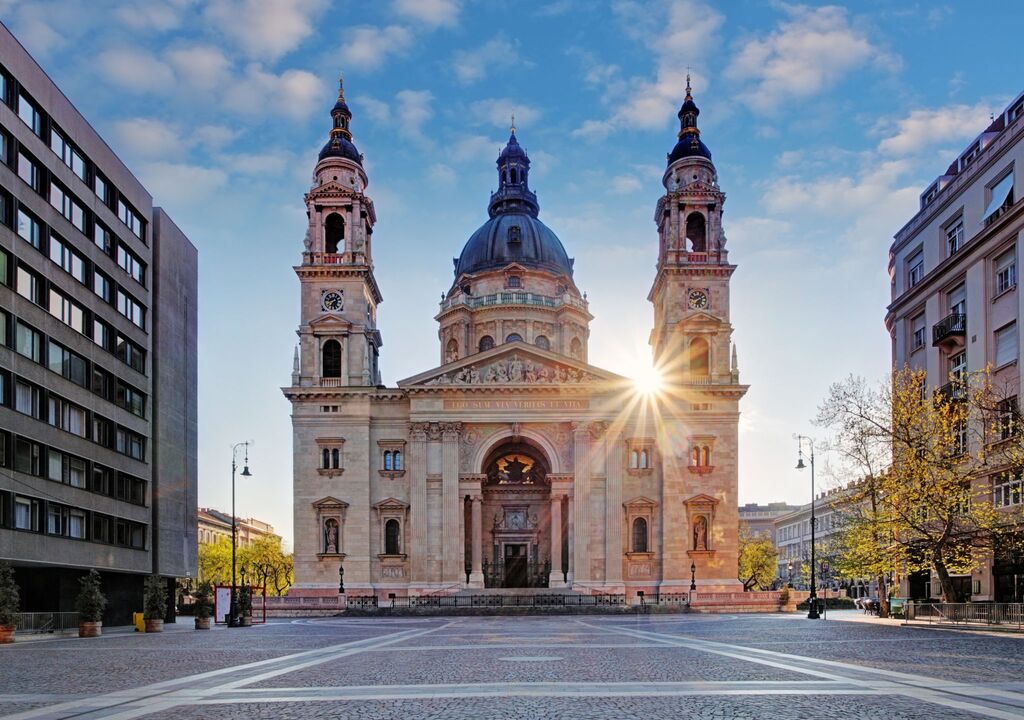
The third stop is St. Stephen’s Basilica, one of Budapest’s most iconic landmarks and Hungary’s co-cathedral. Construction began in 1851 and the church was finally consecrated in 1905. The dome stands exactly 96 meters high, a symbolic nod to the year of the Hungarian settlement (896).
The walk concludes at the Danube Promenade, one of the most scenic spots in Budapest. For centuries, the river has connected the peoples and cultures of Central Europe. The banks of the Danube in Budapest have been a UNESCO World Heritage site since 1987, offering a breathtaking view in the evening when the bridges, the Parliament, and Buda Castle are fully illuminated.
- Admission: 6,800 HUF + 2,600 HUF
- Public Transport Route: Bosnyak ter – Bus 8E/108E/133E to Astoria – walk to Dohany Street Synagogue (Dohany utca 2.) – walk to Deak Ferenc ter – walk to St. Stephen’s Basilica (Szent Istvan ter 1.) – walk through Zrinyi utca to the Szechenyi Chain Bridge – walk along the Danube Promenade (approx. 1 km) to Ferenciek tere – Bus 8E back to Bosnyak ter
3. Buda Castle, Fisherman’s Bastion, Chain Bridge, and the Budapest History Museum
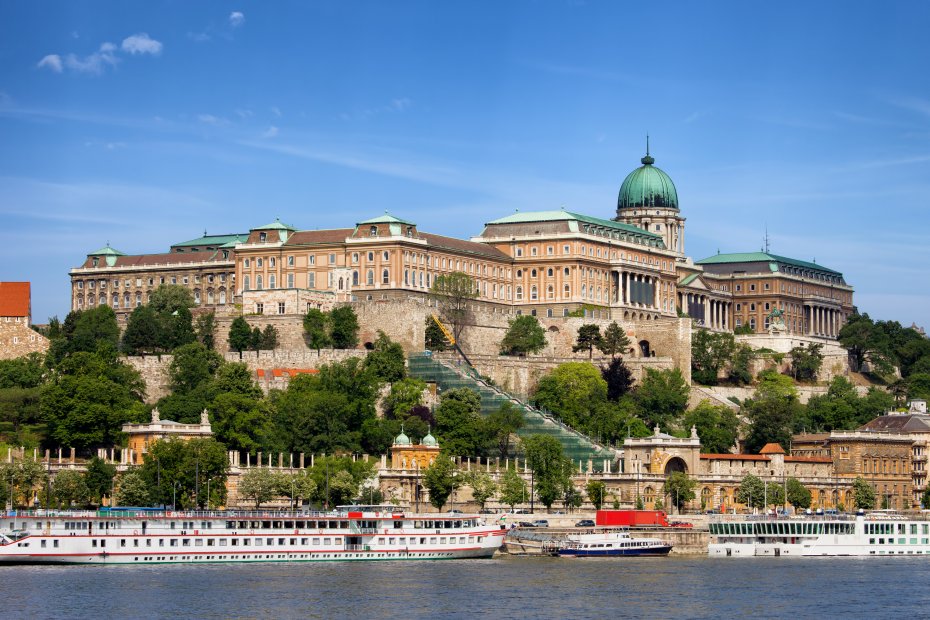
The Buda Castle District is the historic heart of Budapest and a UNESCO World Heritage site. The castle’s history dates back to the 13th century, when King Bela IV established a fortified royal seat on the Buda hills following the Mongol invasion.
Over the following centuries, the castle became the official residence of Hungarian kings. In the 15th century, under King Matthias, it hosted one of Europe’s most brilliant Renaissance courts. The castle suffered severe damage during the Ottoman occupation and was later rebuilt in a grand Baroque style during the Habsburg era.
The Budapest History Museum, housed within the palace wings, offers an in-depth look at the city’s history from Roman times to the modern era. Visitors can explore the world of ancient Aquincum, medieval Buda, and the era of Turkish rule.
Spanning the river between Buda and Pest is the Szechenyi Chain Bridge, opened in 1849 as Budapest’s first permanent bridge across the Danube. Initiated by Count Istvan Szechenyi and designed by English engineer William Tierney Clark, the Chain Bridge became a key symbol of Hungary’s Age of Reform and remains one of the city’s most beloved sights.
- Admission: 5,900 HUF + 3,800 HUF
- Public Transport: Bosnyak ter – Bus 8E to Astoria – walk or take Metro M2 to Deak Ferenc ter – Bus 16 to Szentharomsag ter – short walk to the Budapest History Museum (Buda Castle, Szent Gyorgy ter 2-E)
4. Gellert Hill and the Cave Church – Faith, History, and Panoramas
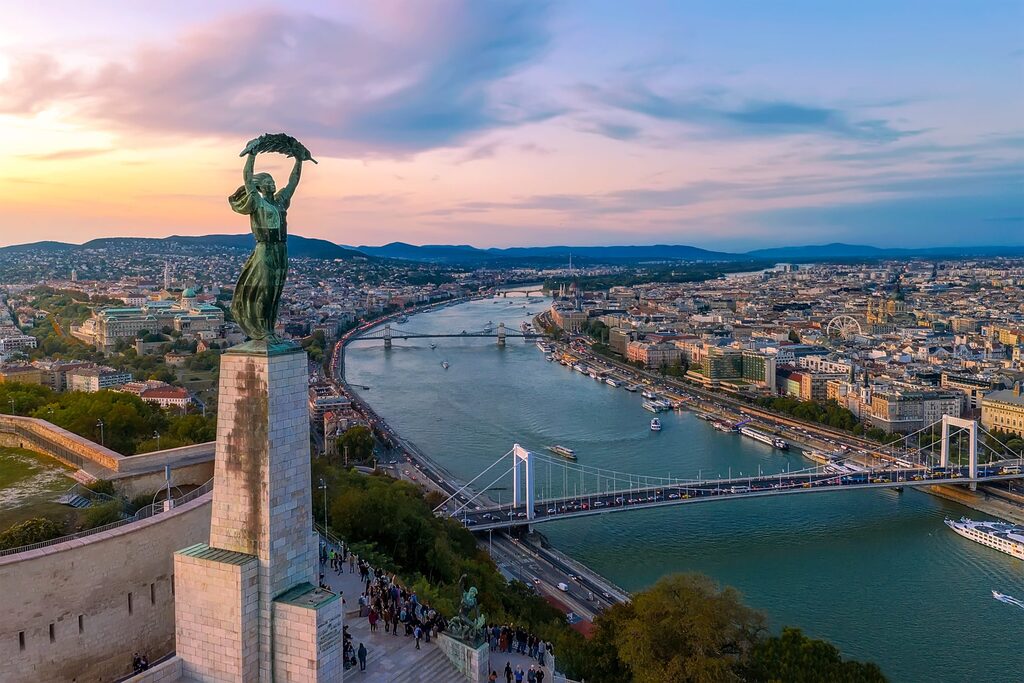
Standing 235 meters high, Gellert Hill is one of Budapest’s finest vantage points, offering an unparalleled panoramic view of the Danube, the Parliament, Buda Castle, and downtown Pest. The hill is named after Bishop Saint Gellert, who, according to tradition, was thrown from the cliffs by pagan rebels in 1046.
At the summit sits the Citadella, a fortress built by the Habsburgs in 1850 following the suppression of the 1848-1849 War of Independence. The fortress served as a symbol of imperial power, designed to keep a watchful eye over the city.
One of the hill’s most unique attractions is the Cave Church (Sziklatemplom), carved into a natural cave system. Consecrated in 1931, it was used by the Pauline Order, the only religious order founded by Hungarians. During the communist dictatorship in 1951, the church was shut down, the monks were arrested, and the entrance was sealed with a concrete wall. It finally reopened its doors in 1989.
Today, the Cave Church is simultaneously a place of worship, a historical memorial, and a deeply spiritual space. The natural rock walls, the softly lit interior, and its dramatic past create an intimate, unique atmosphere that leaves a lasting impression on visitors.
- Admission: 1,400 HUF + 1,000 HUF
- Public Transport Route:
- Option A: Bosnyak ter – Bus 8E / 133E to Szent Gellert ter – Muegyetem – walk to the Cave Church – uphill walk (approx. 1 km) to the Citadella.
- Option B (less walking uphill): Metro M4 to Moricz Zsigmond korter – Bus 27 to Busulo Juhasz (Citadella) – walk (approx. 500 m) to the Citadella – Bus 27 back to Sanc utca – Bus 8E / 108E back to Bosnyak ter.
Interactive Route Map
To help you easily navigate between these historic locations, we have created an interactive digital map containing all the sights and public transport routes mentioned in this guide. You can access the map, save it to your phone, and get real-time directions during your journey by clicking the link below:
Budapest trip – Google My Maps: EGPC 2026 Visits